

Start smaller than you think.
Shampoo. A conditioner with real slip, or a deep conditioner. Your fingers, a wide-tooth comb or a flexible detangling brush. A few clips and a soft towel. That’s the kit. Four big twists or two loose puffs is a finished style, not a placeholder until you learn something fancier.
The mindset: keep the length you grow.
Hair grows from the scalp. Length is kept at the ends. That’s the core idea MoKnowsHair and Miche Beauty both teach, and it’s the one we follow: you don’t chase growth, you stop the breakage.
So the whole routine comes down to a few habits. Clean scalp. Deep conditioning every wash day. Detangling with water and slip, in sections, ends first. Styles that don’t pull. Hands off while it dries. Satin at night. And consistency over a cabinet full of products.
And the part Miche says best: there is nothing wrong with their hair. Your job is to learn it, not fix it.
Sources MoKnowsHair · My length retention regimen + tips · Miche Beauty · How to grow longer hair by retaining length
Wash day, in six moves.
The first few wash days take the longest. It gets faster.
Set the room up first
Kit within reach, child seated and supported, never alone on a counter or near the tub. Offer two choices and agree on a pause word before you touch a strand.
Check the knots
Hair moves easily? Go straight to shampoo. Badly tangled? Wet it, add conditioner and pick out the worst knots first. Only when you need to.
Shampoo the scalp, not the lengths
A few loose sections. Massage with your finger pads, don’t pile the hair on top of the head. Rinse until the water runs clear. Used gel all week or been in the pool? Use a gentle clarifying shampoo this time to clear the buildup.
Deep condition, then detangle from the ends up
This is the step that keeps the length. Work conditioner through soaking-wet hair and leave it for the time on the label. Detangle while it’s in, with your fingers, a wide-tooth comb or a flexible brush: hold above the knot, short strokes, bottom to top. Hit resistance? More water or slip, or a smaller section. More force is never the answer.
Leave-in, then style while it’s wet
Rinse, squeeze out the drips with a soft towel or T-shirt, and add leave-in. Style while the hair is still wet, section by section. Keep finished sections clipped apart.
Hands off while it dries
Air dry, or a hooded dryer or diffuser on low. Don’t touch it until it’s fully dry; that’s where frizz comes from. Loosen any thick wet bundle so the scalp can dry. Ask how it feels, and celebrate that you did it together.
Why, and the fine print
This sequence is our family’s practical version of gentle-care principles from dermatology and textured-hair educators. It isn’t a clinically tested, timed protocol, so adjust the order to the hair in front of you.
Sources AAD · 6 curly hair care tips · AAD · Teaching your child healthy hair care habits · AAD · Tips for healthy hair · MoKnowsHair · My length retention regimen + tips · Miche Beauty · How to grow longer hair by retaining length · Cleveland Clinic · How to protect your hair from chlorine
The daily spray bottle
One continuous-mist bottle does the daily refresh. Mix 60% distilled water, 30% leave-in conditioner and 10% jojoba oil. Shake before every use and mist only the sections that need it, barely damp, never soaked. Mark the fill lines on the bottle with a marker. Empty, rinse and remix every 1–2 weeks instead of topping up an old batch. L·O·C at a glance: Liquid = water + leave-in · Oil = jojoba or JBCO · Cream = curl smoothie or twist butter. The map below helps you pick LOC or LCO.
Decision map
LOC or LCO?
How their hair acts after wash day tells you which order to use: liquid, oil and cream.
See the whole map
After wash day, how does their hair act?A feel test, not a lab result. Skip the glass-of-water float test; it measures surface oil, not porosity.
- Soaks up water fast, dries fast, frizzes easilyHigher porosity → LOC.Liquid (water + leave-in), then Oil (jojoba or JBCO) to seal, then Cream to finish. Hair that drinks fast loses moisture fast, so seal it.The daily spray bottle
- Water beads up, slow to soak in, products sit on topLow porosity → LCO.Liquid, then Cream, then a light Oil. Use less product, and a warm cap while you deep condition helps it soak in.The daily spray bottle
- Somewhere in betweenStart with LCO, lightly.Start with LCO and small amounts. Watch the next day: dry and crunchy means more liquid; greasy or coated means less oil.The useful science
Pick a finish you’ll actually keep up.
Big twists
Split a section in two and wind. Fewer, bigger twists mean a shorter session and an easier takedown.
A few plaits
Three strands, outer over middle. They hold through play longer than twists. Their own hair is plenty; no extensions needed.
One puff or two
Gather with your hands and tie with a covered band or satin scrunchie. Move the spot each time so the edges get a break.
Wash-and-go, the Miche and Mo way
Start with clean, deep-conditioned, soaking-wet hair (keep a spray bottle handy). Rub the gel between your palms, then smooth it through one section at a time and rake or brush to define. Hooded dryer, diffuser on low or air dry, and don’t touch until it’s fully dry. A crunchy cast? Scrunch in a drop of oil once it’s dry. Best for older kids who can sit for it; count drying time and takedown too.
Sources AAD · Hairstyles that pull can lead to hair loss · Miche Beauty · 8 reasons why your wash and go failed · Miche Beauty · How to do a wash and go on Type 4 hair
Step by step: the three easy finishes
Two-strand twists
The everyday workhorse. Bigger sections, fewer twists, shorter session.
About 3–5 min per twist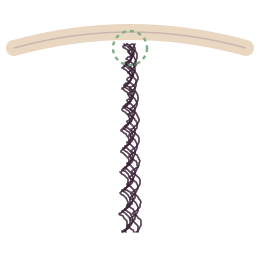
Start with one detangled section
Damp hair, a little leave-in, knots already released. Fewer, bigger sections make for a shorter session.
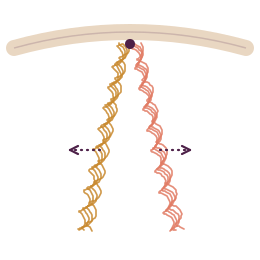
Split it into two equal strands
One in each hand. Keep the base relaxed. Nothing should pull at the root.
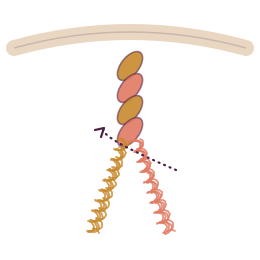
Cross one over the other, again and again
Keep the tension light and even all the way down. If they wince, you’re holding too tight.
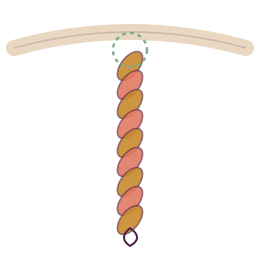
Twist to the ends
Finish at the tips and coil the end around a finger. Coily hair usually holds without a band.
Three-strand plaits
Holds longer than a twist and unravels less on active days.
About 3–5 min per plait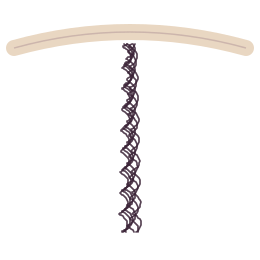
Start with one detangled section
Same prep as a twist: damp, detangled, a little slip.
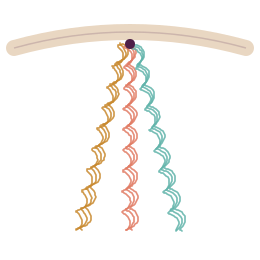
Divide it into three
Roughly equal strands. Perfect parts are optional.
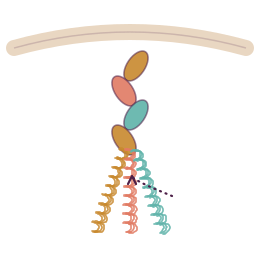
Outer strand over the middle, then the other side
Right over middle, left over middle, repeat. A light, even grip that doesn’t tug the scalp.
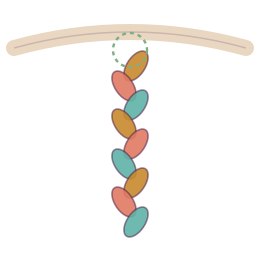
Finish and check the base
Plait to the ends. No tented skin at the root, no wincing. If it pulls, loosen it now.
A puff or two puffs
The fastest finish there is. The only rule: loose band, moving spot.
About 5 min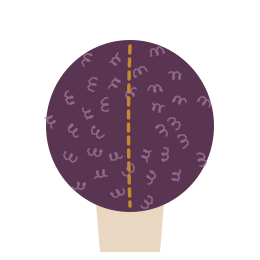
Part down the middle, or don’t
One puff: skip the part. Two puffs: a loose center part with your finger is plenty.
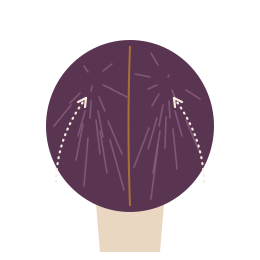
Gather with your hands, not a brush
Smooth the hair toward each spot with damp palms and a little leave-in. Brushing the edges tight is how hairlines thin.
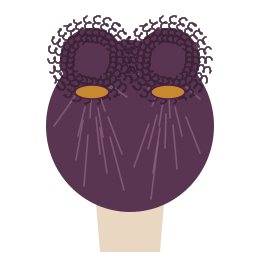
Tie it loosely
A covered tie or satin scrunchie, wrapped just enough to hold. Two fingers should slide under it.
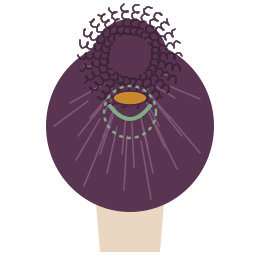
Move the spot next time
High, low, left, right. Rotating where the puff sits gives the edges a break.
Morning, night and takedown
Morning: check that nothing pulls, mist the one section that needs it, and go. Flyaways aren’t a failure. Don’t redo a style that still feels good just because it looks a day old.
Night: loosen anything tight and make sure the hair is dry. Older kids can sleep with a loose “pineapple” (hair gathered high and loose) on a satin pillowcase or under a bonnet. It’s optional and shouldn’t turn bedtime into a fight. Babies are different: nothing loose in the crib.
Takedown: start at the ends and unwind. Shed hair collects in a style; that’s normal, so separate it gently. A little slip helps. Never drag a comb through a whole tangled style, and keep scissors away from a wiggling child.
Sources AAD · Hairstyles that pull can lead to hair loss · AAP · How to keep your sleeping baby safe
Every product needs a job.
| Job | Start with | Add only when |
|---|---|---|
| Clean | One suitable shampoo | A gentle clarifying shampoo when gel, product or pool buildup piles up. Clarify occasionally, not every wash. |
| Condition / slip | One deep or rinse-out conditioner with real slip | Deep condition every wash day; that’s the step both MoKnowsHair and Miche Beauty build around. One product, not a stack. |
| Manageability | Nothing extra if hair handles well | A leave-in helps your actual handling or finish. |
| Hold / definition | No styler required for every simple style | Choose one gel, not all three alternatives in the kit. |
| Oil / butter / protein | Not part of the required toddler kit | An identified need and a suitable product. How the hair behaves decides whether oil goes before or after cream. Oil isn’t a growth boost. |
Sources Cleveland Clinic · How to protect your hair from chlorine · MoKnowsHair · My length retention regimen + tips
The science worth keeping.
Porosity matters more than curl type, but skip the glass-of-water float test. A cosmetic chemist has shown it measures the hair’s surface oil, not how much water it takes in, so it can point you the wrong way. Watch how the hair behaves instead. Soaks up water fast, dries fast and frizzes easily: treat it as higher porosity and go LOC (liquid, oil, cream). Water beads up, takes a while to soak in and products sit on top: treat it as low porosity and go LCO (liquid, cream, oil), with lighter products and a warm cap while you deep condition.
Oil doesn’t clean the scalp and doesn’t fix an itch. Protein and bond products are optional extras, not a cure for damage. Many educators, MoKnowsHair included, trim about every three to four months. Trim sooner if the ends split or keep catching.
Wash when the scalp needs it: sweat, dirt, product, an itch. For dry, curly hair, the dermatology chart for ages 8–12 suggests about every 7–10 days, which matches the weekly wash day most educators use. Don’t skip a needed wash to save a style.
Why, and the fine print
Porosity is real, but home tests are rough guides. Start with the routine that matches how the hair behaves, then adjust after a couple of wash days.
Sources Society for Pediatric Dermatology · Curly/coily hair care · AAD · Black hair: tips for everyday care · AAD · 6 curly hair care tips · Lab Muffin Beauty Science (Dr. Michelle Wong) · Hair porosity tests are a lie · MoKnowsHair · My length retention regimen + tips · AAD · How often do children need to wash their hair?
Wondering about steaming?
Keep going
Supporting sources
Checked October 26, 2026. Source roles and limitations are part of these instructions.
MoKnowsHair · My length retention regimen + tips · August 8, 2024
https://moknowshair.com/blogs/news/lengthretentionregimen
Read in full on October 27, 2026: weekly wash day, scalp clarifier, deep conditioning as “the key element” (extra time with heat for low porosity), detangling with conditioner and a flexible brush, stylers on wet hair, hooded dryer, enclosed pineapple at night, trims about every four months, heat cut to about twice a year. Adult routine with her own product line; not pediatric clinical evidence.
Miche Beauty · How to grow longer hair by retaining length · Date not displayed
https://www.michebeauty.com/blogs/the-miche-manual-blog/grow-longer-hair-retain-length
Retention is about protecting ends: detangle with water and slip in sections from the ends up, “more force is not a strategy,” style on wet hair, satin at night, refresh only what needs it.
AAD · 6 curly hair care tips · Updated June 29, 2022
https://www.aad.org/public/everyday-care/hair-scalp-care/hair/curly-hair-care
Supports adapting cleansing and detangling to the hair. Suggested intervals are general, not individualized pediatric prescriptions.
AAD · Teaching your child healthy hair care habits · Date not displayed
https://www.aad.org/public/everyday-care/hair-scalp-care/hair/hair-care-habits
Child-focused gentle handling and swimming guidance; not a trial of this family routine.
AAD · Tips for healthy hair · Updated August 12, 2024
https://www.aad.org/public/everyday-care/hair-scalp-care/hair/healthy-hair-tips
General care principles. Individual scalp conditions can require a different plan.
Cleveland Clinic · How to protect your hair from chlorine · Date not displayed
https://health.clevelandclinic.org/how-to-protect-your-hair-from-chlorine
Dermatologist: saturate hair with clean water first, add leave-in or oil, wear a cap, rinse right away, clarify occasionally (not daily), deep condition weekly.
AAD · Hairstyles that pull can lead to hair loss · Date not displayed
https://www.aad.org/public/diseases/hair-loss/causes/hairstyles
Tension and early warning signs apply across hairstyles. A professional installation does not remove traction risk.
Miche Beauty · 8 reasons why your wash and go failed · Date not displayed
https://www.michebeauty.com/blogs/the-miche-manual-blog/8-reasons-why-your-wash-and-go-failed-and-how-to-fix-it
Start clean, drench with water, use a gel with hold, smooth each section, emulsify first, don’t touch while drying, define patiently, and keep realistic expectations for your texture.
Miche Beauty · How to do a wash and go on Type 4 hair · Date not displayed
https://www.michebeauty.com/blogs/the-miche-manual-blog/wash-and-go-type-4-hair
Clarify, deep condition until soft, then gel section by section on soaking-wet hair and rake through; diffuse on low or air dry. Commercial brand content.
AAP · How to keep your sleeping baby safe · Date not displayed
https://www.healthychildren.org/English/ages-stages/baby/sleep/Pages/a-parents-guide-to-safe-sleep.aspx
Infant safe sleep takes precedence over hair-preservation accessories. No birthday-based bonnet clearance is inferred.
Society for Pediatric Dermatology · Curly/coily hair care · Published 2021
https://pedsderm.net/site/assets/files/1028/spd_edi_curly-coily-hair_bw_pub.pdf
Two-page specialty handout, read including both page images. Includes broad care suggestions, not evidence that a precise heat temperature or routine is risk-free.
AAD · Black hair: tips for everyday care · Date not displayed
https://www.aad.org/public/everyday-care/hair-scalp-care/hair/care-african-american
General Black-hair guidance, not a toddler-specific trial or a universal schedule.
Lab Muffin Beauty Science (Dr. Michelle Wong) · Hair porosity tests are a lie · Date not displayed
https://labmuffin.com/hair-porosity-tests-are-a-lie/
Cosmetic chemist explains that the float and drop tests measure surface condition (surface tension), not how much water hair absorbs; oils can make hair test "low porosity."
AAD · How often do children need to wash their hair? · Updated November 14, 2023
https://www.aad.org/public/everyday-care/hair-scalp-care/hair/wash-hair
Explicitly written for ages 8–12. Its heavy-sweat advice must not be presented as a tested toddler schedule.